Altitude as the Antidote to Heat
When the plains and cities of North America swelter in the mid-summer heat, the Canadian Rockies offer a high-altitude sanctuary. Straddling the border of Alberta and British Columbia, this vast mountain range leverages elevation to maintain cool, comfortable temperatures. Summer daytime highs typically range from 15°C to 22°C (59°F to 72°F), with nights plunging down to a brisk 5°C to 10°C. It is a climate perfectly calibrated for active outdoor exploration without the risk of heat exhaustion.
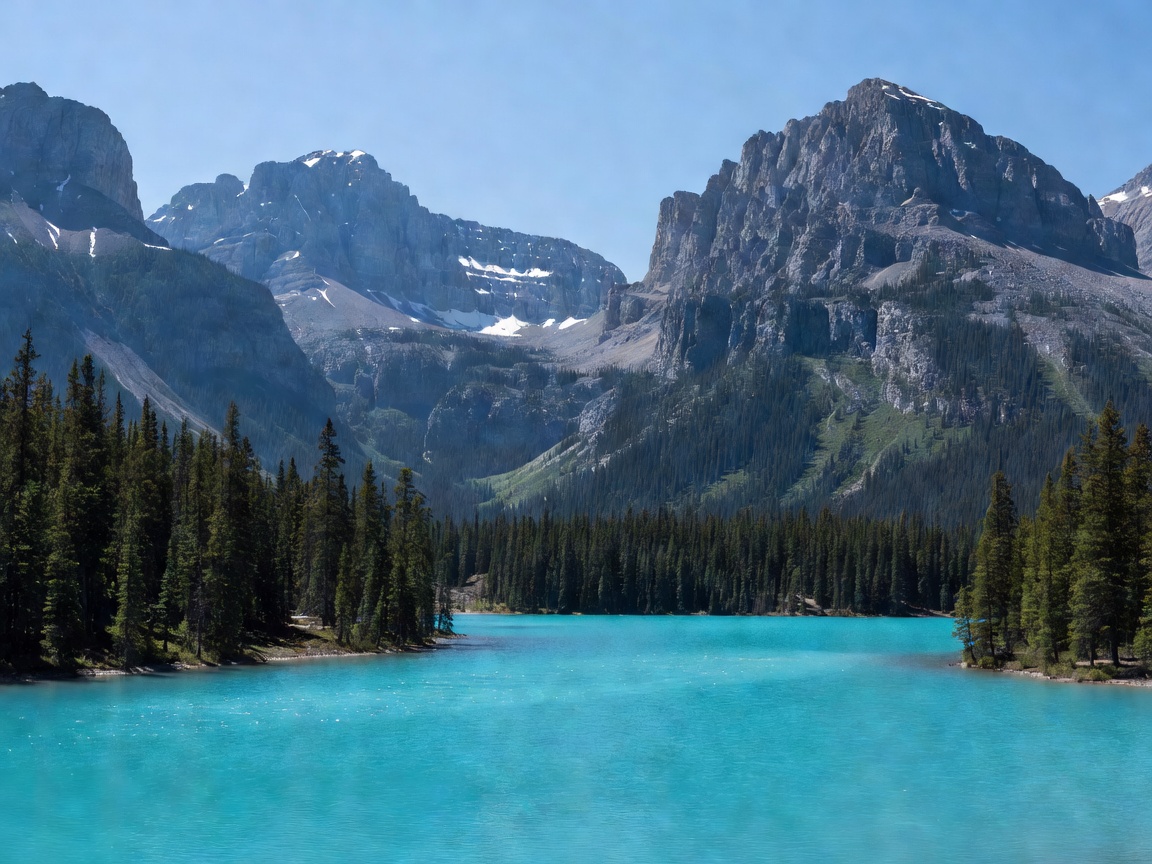
The Rockies are famous for their sheer scale: impossibly steep limestone peaks, dense coniferous forests, and valleys carved by ancient ice. The crowning jewels of the region are the glacial lakes, which take on vibrant, surreal shades of turquoise and emerald due to the suspension of fine "rock flour" deposited by melting glaciers.
Core National Parks
Banff National Park
Canada's oldest national park is the primary entry point for most visitors. The town of Banff bustles with activity, offering excellent dining and amenities surrounded by wilderness. The real magic lies just outside the town. Lake Louise and Moraine Lake offer iconic, postcard-perfect vistas. Because these lakes sit at high elevations, the air around them is continually cooled by the surrounding glaciers. Hiking trails like the Plain of Six Glaciers provide a strenuous but refreshing day out in the alpine tundra.
Jasper National Park
Located to the north of Banff, Jasper is larger, wilder, and slightly less crowded. The townsite has a more laid-back, frontier feel compared to Banff. Jasper is a Dark Sky Preserve, making it exceptional for stargazing on clear, cool nights. Attractions like Maligne Canyon and Spirit Island on Maligne Lake highlight the rugged, water-carved geology of the region.
The Icefields Parkway
Connecting Banff and Jasper is Highway 93, the Icefields Parkway. This 232-kilometer stretch of road is widely considered one of the most scenic drives on the planet. It winds through sweeping valleys, past countless waterfalls, and right up to the edge of the Columbia Icefield. Here, visitors can actually step out onto the Athabasca Glacier—a profound and literal coolcation experience in the middle of August.
Wildlife Viewing
The Canadian Rockies support a robust ecosystem. Visitors frequently encounter elk grazing near townsites, bighorn sheep navigating sheer cliffs, and both black bears and grizzly bears foraging in the valleys. The cooler summer temperatures mean wildlife is often more active throughout the day compared to hotter climates where animals bed down to escape the midday sun. Proper wildlife safety protocols, including carrying bear spray and maintaining safe distances, are strictly enforced.
Pros and Cons
Pros:
- Perfect, moderate hiking weather with minimal humidity.
- World-class infrastructure for camping, hiking, and road-tripping.
- Accessible alpine environments that do not require technical mountaineering skills to enjoy.
- Exceptional opportunities for wildlife photography.
Cons:
- The peak summer season (July and August) brings immense crowds to popular spots like Lake Louise; parking and access can be highly restricted.
- Forest fires in British Columbia and Alberta can occasionally blow smoke into the valleys, impacting air quality and views.
- Accommodation within the national parks is expensive and must be booked many months in advance.
Travel Logistics
Calgary International Airport (YYC) is the most convenient hub, located just a 90-minute drive from the gates of Banff National Park. Renting a car is essential for exploring at your own pace, though regional shuttle services have expanded significantly to help mitigate traffic congestion at key lakes. Park passes are required for all visitors stopping within the national park boundaries.
Pack for dynamic mountain weather: a warm base layer, a fleece mid-layer, and a reliable rain/wind shell are essential, as summer snow flurries at higher elevations are not uncommon.