The Ultimate Seasonal Escape
If a mild European summer is not cool enough for you, Patagonia offers the ultimate geographical hack: swap hemispheres. When July and August deliver sweltering heat to North America and Europe, the southern tip of South America—shared by Chile and Argentina—is in the depths of the austral winter. This is a true coolcation, with temperatures ranging from 0°C to 5°C (32°F to 41°F), offering a crisp, freezing, and utterly magnificent alpine environment.
Winter in Patagonia is not for the faint of heart, but it rewards the intrepid traveler with solitary landscapes. The howling winds of the Patagonian summer frequently die down in winter, leaving clear, still, and fiercely cold days. The jagged granite spires are draped in snow, and the vast glacial lakes take on a deep, steely hue.
Key Winter Destinations
Torres del Paine (Chile)
In summer, Chile's crown jewel national park sees thousands of hikers trekking the famous W Circuit. In winter, the park is virtually empty. While many facilities and hotels close for the season, a select few remain open, offering guided winter excursions. Seeing the iconic granite "Torres" (towers) surrounded by untouched snowfields is a rare privilege. Activities shift from extensive multi-day trekking to shorter hikes, snowshoeing, and puma tracking, as the big cats frequently descend to lower altitudes during the winter months.
Los Glaciares National Park (Argentina)
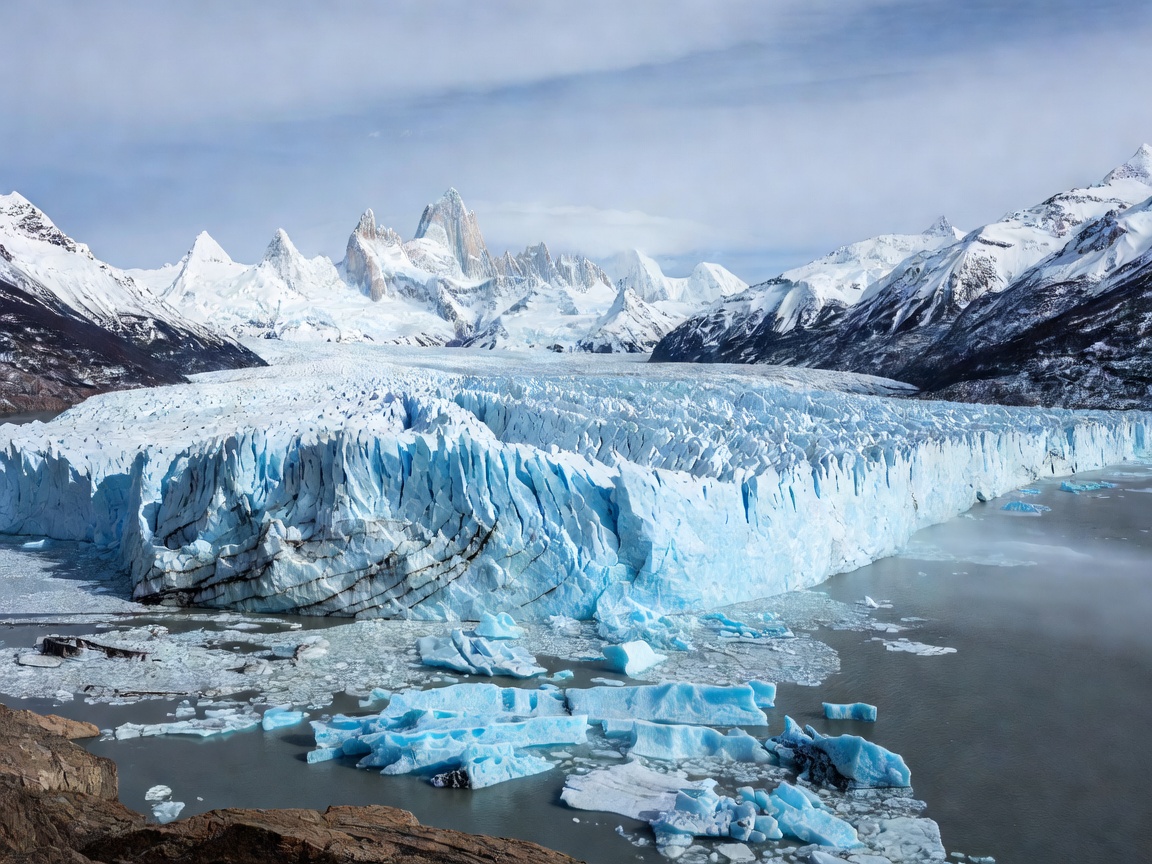
Across the border in Argentina, the town of El Calafate serves as the gateway to the Perito Moreno Glacier. This massive advancing ice field is one of the few glaciers in the world that is not retreating. In winter, the viewing platforms are uncrowded. The crisp air carries the thunderous sound of ice calving off the 60-meter-high face into Lago Argentino with incredible clarity. Further north, the village of El Chaltén offers spectacular, albeit challenging, winter views of Mount Fitz Roy.
Tierra del Fuego
At the very southern tip of the continent lies Ushuaia, the "City at the End of the World." In winter, Ushuaia transforms into a hub for winter sports, including alpine skiing at Cerro Castor and dog sledding through the snow-covered lenga forests. It is a rugged, frontier town that embraces the deep chill of the season.
Pros and Cons of a Winter Patagonian Visit
Pros:
- Absolute relief from summer heat; you will experience genuine winter conditions.
- Drastically fewer crowds compared to the chaotic summer peak season.
- Unique wildlife viewing opportunities, particularly for pumas and guanacos.
- Stunning photographic conditions with low-angled winter light and snow-capped peaks.
Cons:
- Many hotels, restaurants, and tour operators shut down completely between May and September.
- Shorter daylight hours limit the time available for long outdoor excursions.
- Weather can cause flight delays and road closures; flexibility is mandatory.
- Extreme cold requires specialized, high-quality winter clothing.
Logistics and Planning
Planning a winter trip to Patagonia requires meticulous preparation. Because much of the infrastructure is seasonal, you cannot simply arrive and expect to find open lodging or transport. Booking specialized winter tour operators who operate year-round is often the safest and most reliable way to experience the region safely.
Flights into Punta Arenas (Chile) or El Calafate (Argentina) operate year-round, though less frequently than in summer. Renting a car is possible, but winter driving conditions (ice and snow) on remote Patagonian roads demand experience and caution. For the traveler willing to brave the logistics and the cold, a Patagonian coolcation offers an unforgettable escape to one of the most raw and beautiful environments on Earth.