Why Iceland is the Ultimate Coolcation
When continental Europe and North America are baking under oppressive summer heatwaves, Iceland remains a bastion of crisp, refreshing air. Situated just south of the Arctic Circle, this Nordic island nation offers average summer temperatures hovering between 10°C and 15°C (50°F to 59°F). It is the quintessential "coolcation" destination for travelers looking to trade sunburns and crowded beaches for dramatic landscapes, geothermal pools, and the surreal phenomenon of the Midnight Sun.
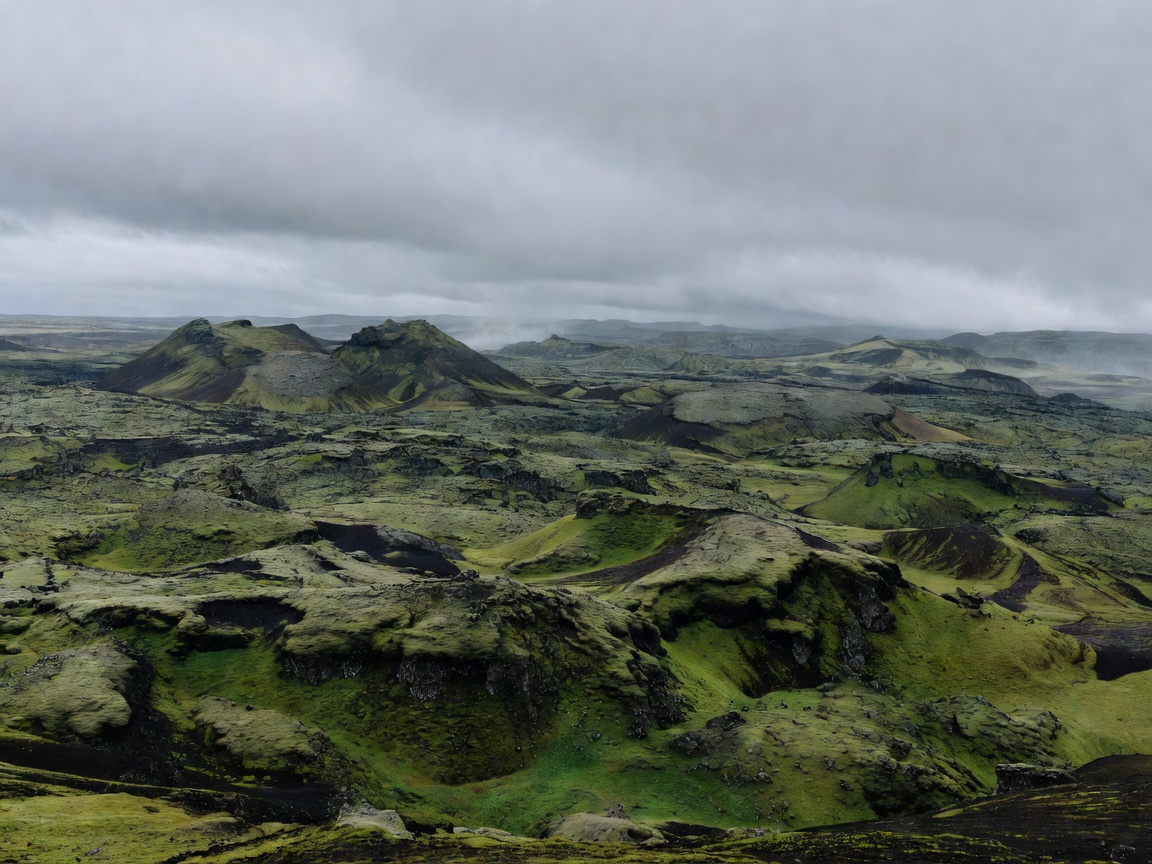
Iceland's geography is defined by its extreme contrasts. Glaciers cover roughly 11% of the landmass, yet the island is fiercely volcanic, sitting astride the Mid-Atlantic Ridge. This unique geology not only creates stunning visual landscapes—black sand beaches, roaring waterfalls, and vast lava fields—but also powers the country's famous geothermal hot springs, which are perfectly enjoyable in the cool summer air.
Climate and What to Expect
Summer in Iceland (June through August) is characterized by long daylight hours. In late June, the sun barely dips below the horizon, providing nearly 24 hours of usable daylight for exploration. This means you can visit popular natural attractions at 11:00 PM and have them entirely to yourself, bathed in a beautiful, lingering twilight.
However, the weather remains highly unpredictable. An Icelandic summer day can cycle through bright sunshine, driving rain, and strong winds within a matter of hours. The key to thriving on an Icelandic coolcation is layering. A waterproof outer shell, a thermal mid-layer, and sturdy, waterproof hiking boots are absolute necessities, regardless of the month you visit.
Key Regions to Explore
The Golden Circle
Ideal for first-time visitors or those on a short layover, the Golden Circle is a manageable driving route easily accessible from the capital, Reykjavik. It encompasses Þingvellir National Park (where the North American and Eurasian tectonic plates drift apart), the Geysir Geothermal Area, and the massive, multi-tiered Gullfoss waterfall. Because it is highly accessible, it can be busy, but the sheer scale of the natural wonders makes it unmissable.
The South Coast
Driving east from Reykjavik along the Ring Road (Route 1) reveals the dramatic South Coast. Here, waterfalls like Seljalandsfoss and Skógafoss plummet from high cliffs, while the Reynisfjara black sand beach offers striking basalt column formations against the crashing North Atlantic surf. Further east, the Jökulsárlón glacier lagoon provides an otherworldly experience where massive blue icebergs calve from the Breiðamerkurjökull glacier and drift toward the ocean.
The Westfjords
For those seeking deeper isolation and true wilderness, the Westfjords in the northwest corner of the island are spectacular. Characterized by deep, plunging fjords, sheer cliffs teeming with birdlife (including puffins), and winding, unpaved roads, this region sees a fraction of the tourism of the south. The cool coastal breezes here make it an invigorating escape.
Pros and Cons of an Icelandic Coolcation
Pros:
- Guaranteed relief from summer heat with maximum temperatures rarely exceeding 20°C.
- Incredible, diverse natural beauty packed into a relatively small island.
- Endless daylight allows for highly flexible travel itineraries.
- Exceptional infrastructure for road trips and camping.
Cons:
- High cost of living and travel. Dining out, fuel, and accommodation require a substantial budget.
- Weather can be severely windy and wet, requiring high-quality outdoor gear.
- Popular sites on the South Coast and Golden Circle can suffer from overtourism during peak summer months.
Travel Logistics
Most international flights arrive at Keflavík International Airport (KEF), located about 45 minutes from Reykjavik. Renting a car or campervan is the most popular way to see the country. If you plan to stick to the Ring Road, a standard 2WD vehicle is usually sufficient in summer. However, if you wish to explore the interior Highlands via the rugged "F-roads," a 4x4 vehicle is legally required and essential for safety due to unbridged river crossings.
Accommodation ranges from luxury wilderness lodges to simple farm guesthouses and extensive campsites. Due to the short peak season, booking several months in advance is critical for hotels and guesthouses.